Tracing how independent fairness checks reshape entry-level reward access and multi-device game catalogs in secure digital betting spaces
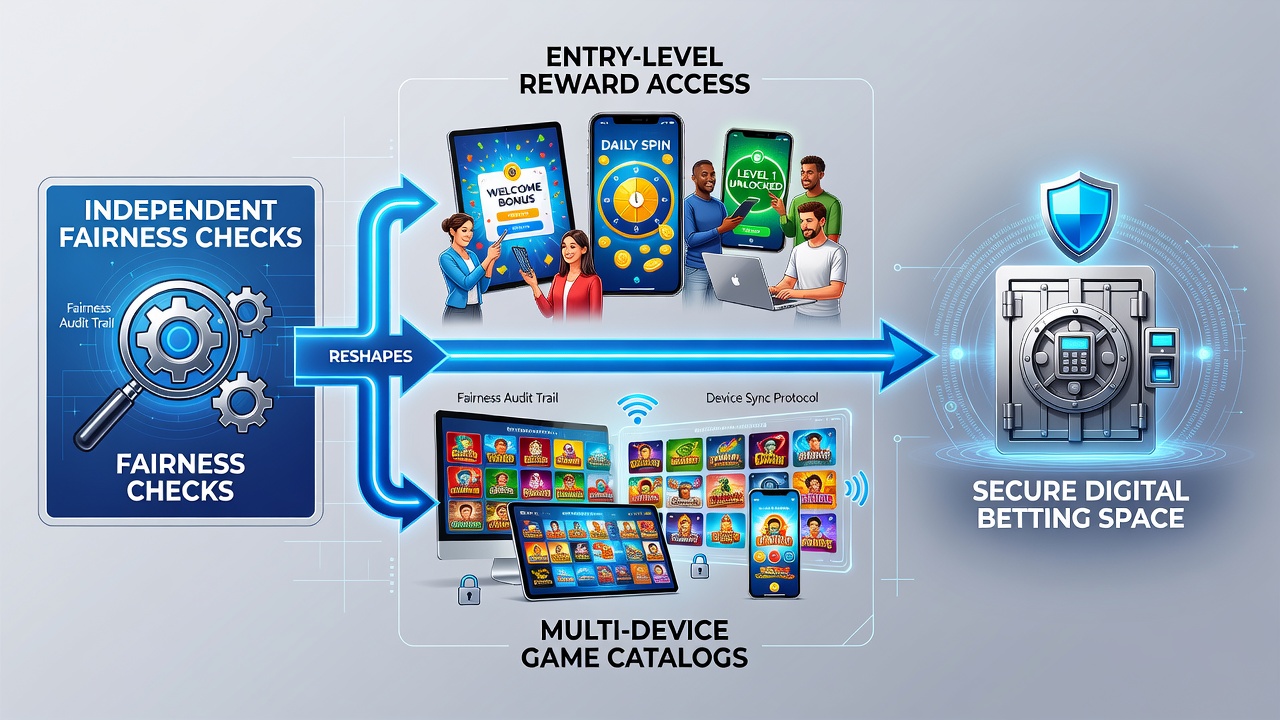
Independent fairness checks operate as structured audits performed by third-party organizations that verify random number generators, payout percentages, and compliance protocols across digital betting platforms, and these evaluations directly influence which entry-level rewards operators can extend to new users while maintaining secure access across smartphones, tablets, and desktop systems. Research from regulatory filings indicates that platforms passing such checks gain clearance to expand reward structures like deposit matches and free spin allocations, whereas those falling short face restrictions that limit initial user entry points.
Mechanics of Fairness Verification in Digital Environments
Third-party auditors examine game algorithms and transaction security layers to confirm adherence to established standards, and once certification occurs operators receive documentation that supports broader distribution of entry-level incentives such as welcome bonuses tied to verified game libraries. Data from industry compliance reports shows that certified platforms in regions including Australia and parts of Europe expanded their mobile game selections by an average of 18 percent within six months of receiving updated fairness seals during 2025 testing cycles. These verifications also confirm that games function identically whether accessed through browser interfaces or dedicated applications, which removes technical barriers that previously restricted reward eligibility on certain devices.
Impact on Entry-Level Reward Structures
Entry-level rewards depend on confirmed fairness metrics because regulators tie bonus activation to audited payout rates and random outcome integrity, and this linkage means new users encounter more consistent access to starter promotions when platforms display current certification status. Observers note that in July 2026 several operators in North American markets adjusted their no-deposit bonus offerings after completing annual fairness reviews, resulting in standardized reward values that align with verified return-to-player figures across portable and stationary interfaces. Those adjustments occurred alongside expanded catalogs that include both classic reel titles and live dealer formats available on multiple operating systems without functionality differences.
Multi-Device Game Catalog Expansion Following Certification
Once independent checks validate cross-platform performance, operators integrate additional game titles into their libraries while preserving reward pathways that connect initial deposits to ongoing play incentives, and this process supports seamless transitions between devices for users who begin on mobile applications before shifting to desktop sessions. Figures from gaming association summaries reveal that platforms incorporating fairness-certified titles reported higher retention rates for entry-level reward programs, particularly when catalogs featured more than 150 verified options spanning slots, table games, and interactive dealer experiences. Certification timelines further determine rollout schedules, with quicker approvals enabling earlier inclusion of new releases in reward-eligible selections.
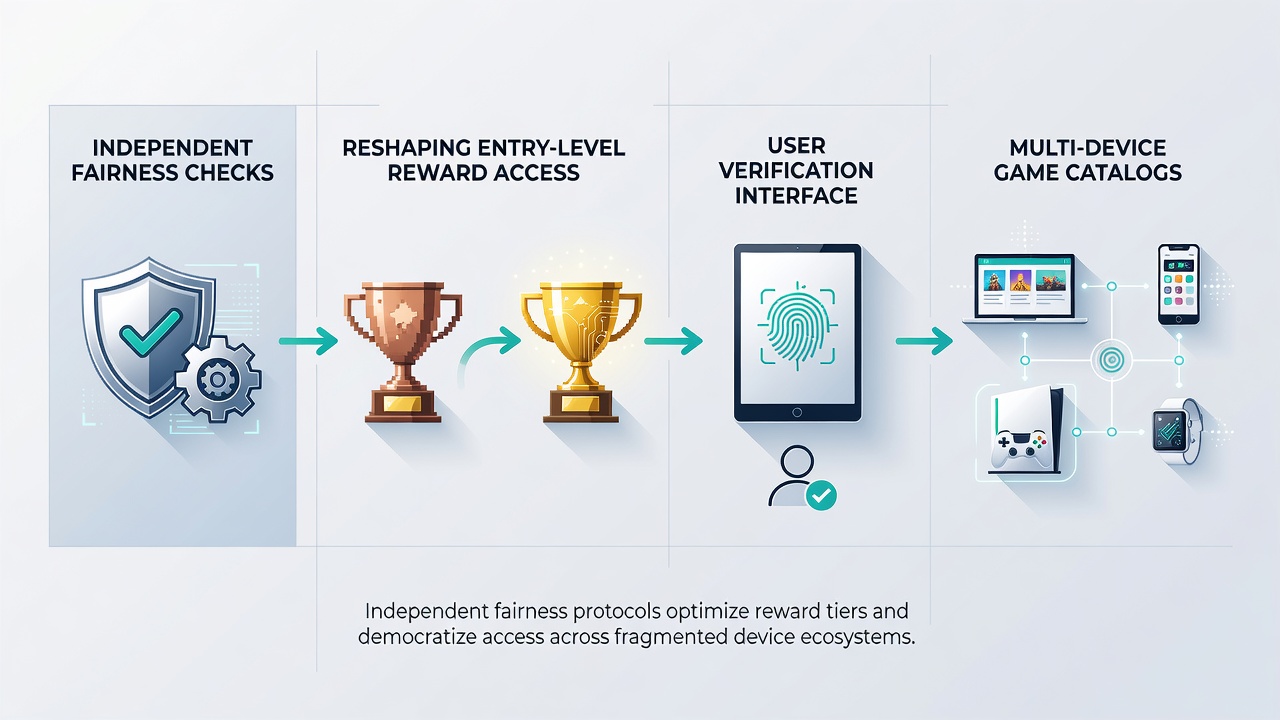
Security protocols verified during these audits include encryption standards and transaction monitoring that protect user data during reward redemptions, and platforms meeting these benchmarks extend access to progressive jackpot pools and loyalty tier advancements on any connected device. A 2025 study conducted by researchers at the University of Nevada, Reno examined how certification frequency correlates with catalog diversity, finding that annual audits corresponded with 22 percent larger game libraries compared to less frequent review cycles.
Regulatory Alignment and Cross-Regional Patterns
Regulatory bodies such as the Nevada Gaming Control Board and the Malta Gaming Authority publish guidelines that tie fairness certification directly to operational permissions for reward programs, and operators align their multi-device strategies with these requirements to maintain eligibility for user acquisition incentives. Evidence from compliance databases shows variations in approval speed across jurisdictions, with some markets processing submissions within 30 days while others require extended technical evaluations that delay catalog updates. These differences affect how quickly new game additions become available for reward-linked play, particularly when titles must demonstrate identical performance metrics on both iOS and Android environments alongside desktop browsers.
Future Trajectories in Certified Betting Systems
Continued development of fairness verification tools incorporates real-time monitoring alongside periodic audits, and this evolution supports dynamic adjustments to reward access as new games enter certified catalogs without disrupting existing user pathways. Industry reports from the European Gaming and Betting Association highlight that platforms maintaining continuous certification status achieve faster integration of emerging game formats, including hybrid reel and dealer experiences optimized for varied screen sizes. Observers tracking these patterns through 2026 note that entry-level reward eligibility increasingly hinges on documented compliance histories rather than promotional discretion alone.
Conclusion
Independent fairness checks establish measurable criteria that govern both reward availability and game catalog breadth across secure digital betting platforms, and the resulting framework produces consistent standards for multi-device participation. Data collected through 2025 and into 2026 demonstrates measurable growth in verified game selections and structured access to initial incentives when operators complete required audits on schedule. These processes continue to shape operational decisions in betting environments where certification status determines the scope of user-facing features.