Security Benchmarks That Open Doors to Extensive Game Selections and Progressive Membership Rewards in Smartphone Casino Applications

Security benchmarks in smartphone casino applications establish the foundation for operators to expand game libraries while building structured membership systems that track player activity across multiple sessions, and these standards often incorporate encryption protocols along with certification processes that verify transaction integrity before any new titles or reward tiers become available to users.
Core Security Standards Driving Mobile Casino Expansion
Developers who meet established benchmarks such as end-to-end encryption for data transmission and certified random number generators gain approval to integrate content from numerous software providers at once, which results in broader selections that include both classic reel formats and advanced interactive table experiences without exposing user information to external threats. Observers note that platforms achieving these levels of compliance frequently receive faster clearance from app distribution channels, allowing them to roll out updates that add dozens of new games each quarter while maintaining uninterrupted service for existing members.
Research from regulatory bodies across different jurisdictions shows that adherence to payment card industry data security standards correlates directly with the ability to offer progressive reward structures, because verified transaction histories create reliable records that support tier advancement and personalized bonus allocations. Those who've examined industry data find that applications passing annual penetration testing and vulnerability assessments can safely scale their loyalty frameworks to include cashback percentages, exclusive event invitations, and multiplier systems that accumulate based on verified play volume.
How Verified Protocols Enable Diverse Game Libraries
Applications that implement multi-factor authentication and continuous session monitoring open pathways to partnerships with global game studios, since these measures reduce the risk of unauthorized access and allow operators to demonstrate control over sensitive operations to third-party auditors. Data indicates that casinos reaching these benchmarks often host collections exceeding several thousand titles because providers prefer to license content to environments where fairness testing and payout verification occur on a regular schedule.
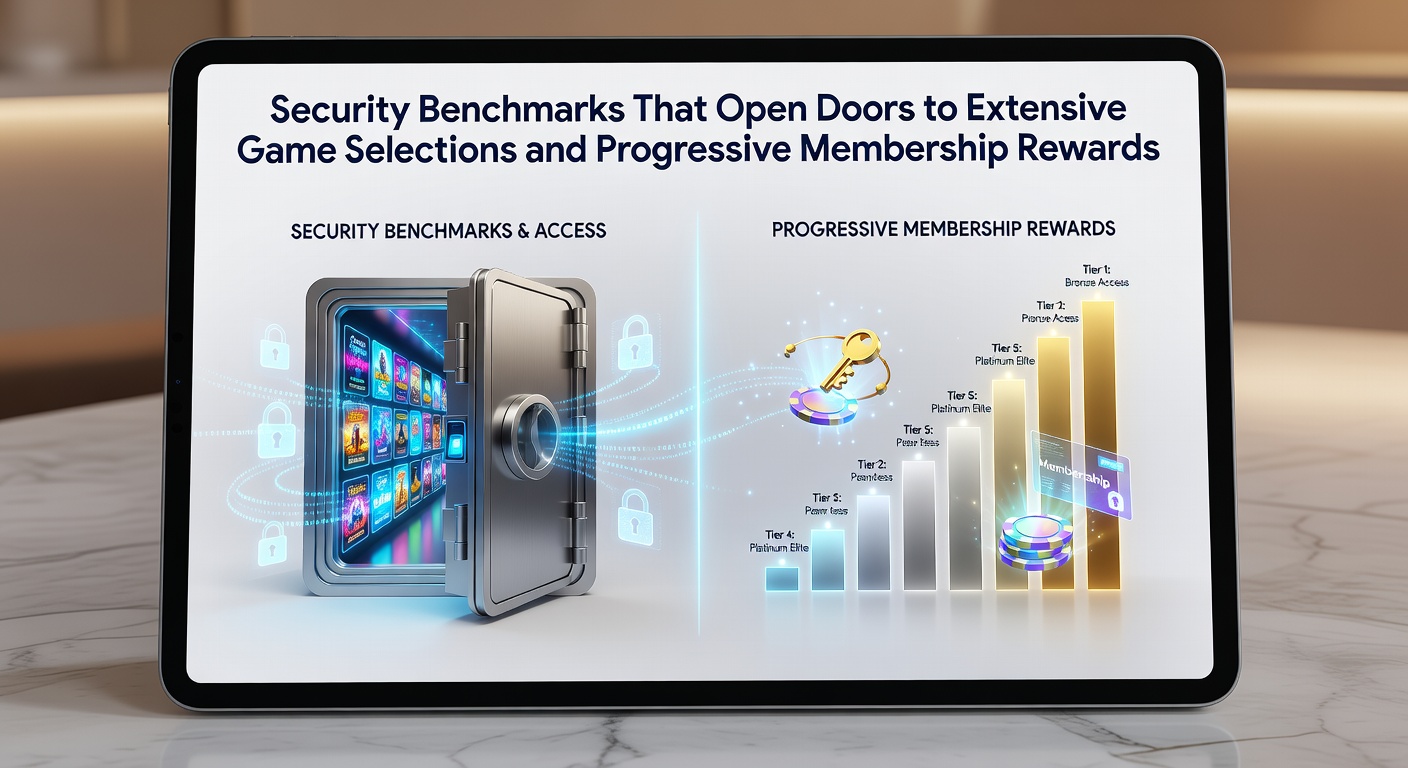
What's interesting is how biometric login options combined with device-specific tokenization create secure environments that support live dealer streams alongside automated slot mechanics, and this combination lets users move between game categories while their activity feeds into a single reward ledger. Studies conducted by independent testing laboratories reveal that platforms maintaining these layered defenses report higher retention rates among players who advance through membership levels, as the underlying security reduces friction during deposits and withdrawals that fund continued play.
Progressive Membership Systems Built on Secure Foundations
Tiered reward pathways emerge when applications log every interaction through encrypted channels that prevent tampering, which enables accurate calculation of points and status upgrades without manual intervention. According to reports issued by the Alcohol and Gaming Commission of Ontario, operators who maintain certified security environments receive authorization to expand their membership benefits, including accelerated point accumulation and priority access to new releases that would otherwise remain restricted.
Figures from industry analyses conducted in early 2026 highlight that smartphone platforms incorporating real-time fraud detection algorithms can introduce dynamic reward multipliers tied to consecutive days of verified activity, and these features become feasible only after the underlying systems pass rigorous external reviews. People familiar with mobile gaming infrastructure point out that such benchmarks also support cross-device synchronization, allowing members to maintain their progress whether they switch between phones or tablets during extended sessions.
Regulatory Developments Shaping Security Requirements in 2026
As of May 2026, several jurisdictions have updated their guidelines to require enhanced app-level protections before operators can expand game portfolios or reward catalogs, and these changes emphasize regular third-party audits that confirm both game fairness and data handling practices. Those tracking regulatory trends observe that regions implementing these updated standards see quicker integration of new titles because the benchmarks provide clear pathways for approval rather than case-by-case evaluations.
Evidence from academic reviews at institutions studying digital commerce suggests that consistent application of these benchmarks reduces operational disruptions, which in turn supports steady growth in available games and the sophistication of membership programs that reward sustained engagement.
Conclusion
Security benchmarks serve as gateways that connect robust technical safeguards with expanded content options and structured reward mechanisms in smartphone casino applications, and platforms that prioritize these measures continue to demonstrate measurable advantages in both game variety and member progression systems. Ongoing refinements to these standards ensure that operators can scale their offerings while maintaining the verification processes that underpin user trust and regulatory compliance across markets.