Mapping Digital Payment Routes in On-the-Go Gaming Hubs: Linking Zero-Entry Perks with Interactive Dealer Sessions and Status Advancement Systems
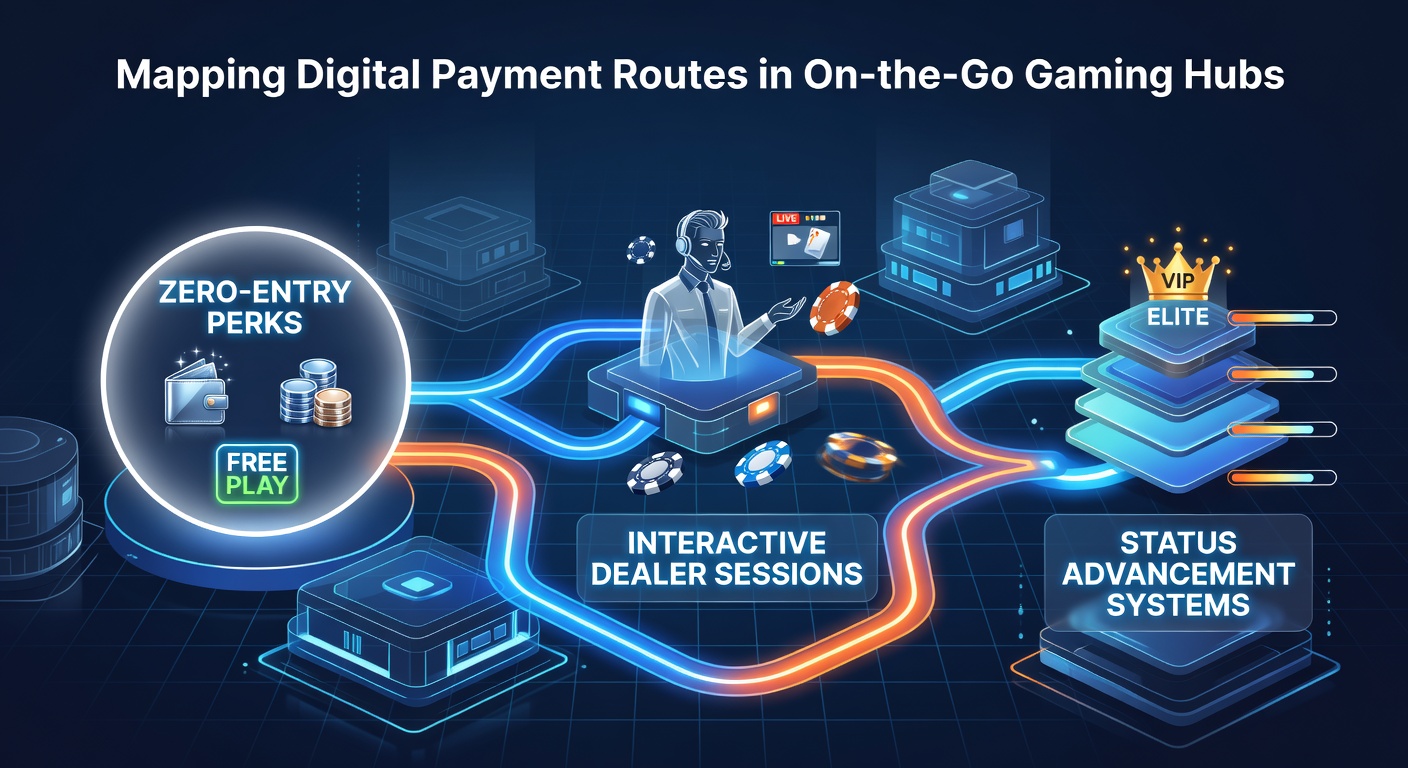
Digital payment routes now form the core infrastructure for mobile gaming hubs where players move from zero-entry perks straight into interactive dealer sessions while tracking status advancement systems along the way. These routes rely on integrated e-wallets, instant bank transfers, and emerging crypto options that handle deposits and withdrawals without forcing users to leave the app environment.
Zero-Entry Perks and Initial Payment Pathways
Zero-entry perks such as no-deposit bonuses appear at the first login stage and connect directly to payment gateways that verify accounts through token-based systems rather than full financial details. Observers note that platforms route these initial credits through prepaid digital wallets or verified mobile billing, allowing immediate access to slot libraries and table games while the same pathways later support larger deposits once players decide to advance. Data from industry reports shows that these entry-level routes reduce friction by pre-authorizing small amounts that convert automatically when status thresholds trigger.
Payment processors embed security layers including device fingerprinting and real-time fraud checks right at the perk activation point. Those who've examined transaction logs find that successful zero-entry redemptions often lead to higher retention when the same route accepts subsequent deposits without re-verification delays. In May 2026, several hubs plan to roll out enhanced NFC tap-to-play features that tie directly into these established pathways, streamlining the jump from free credits to funded play.
Connecting Routes to Interactive Dealer Sessions
Interactive dealer sessions require payment routes capable of handling live bets with minimal latency, which means platforms integrate dedicated APIs that pull funds from the same wallets used for zero-entry perks. Researchers at gaming technology firms have documented how these sessions process micro-transactions in real time while maintaining separate ledgers for bonus funds versus deposited balances. The result keeps players engaged across extended tables without interrupting the flow for additional authorizations.
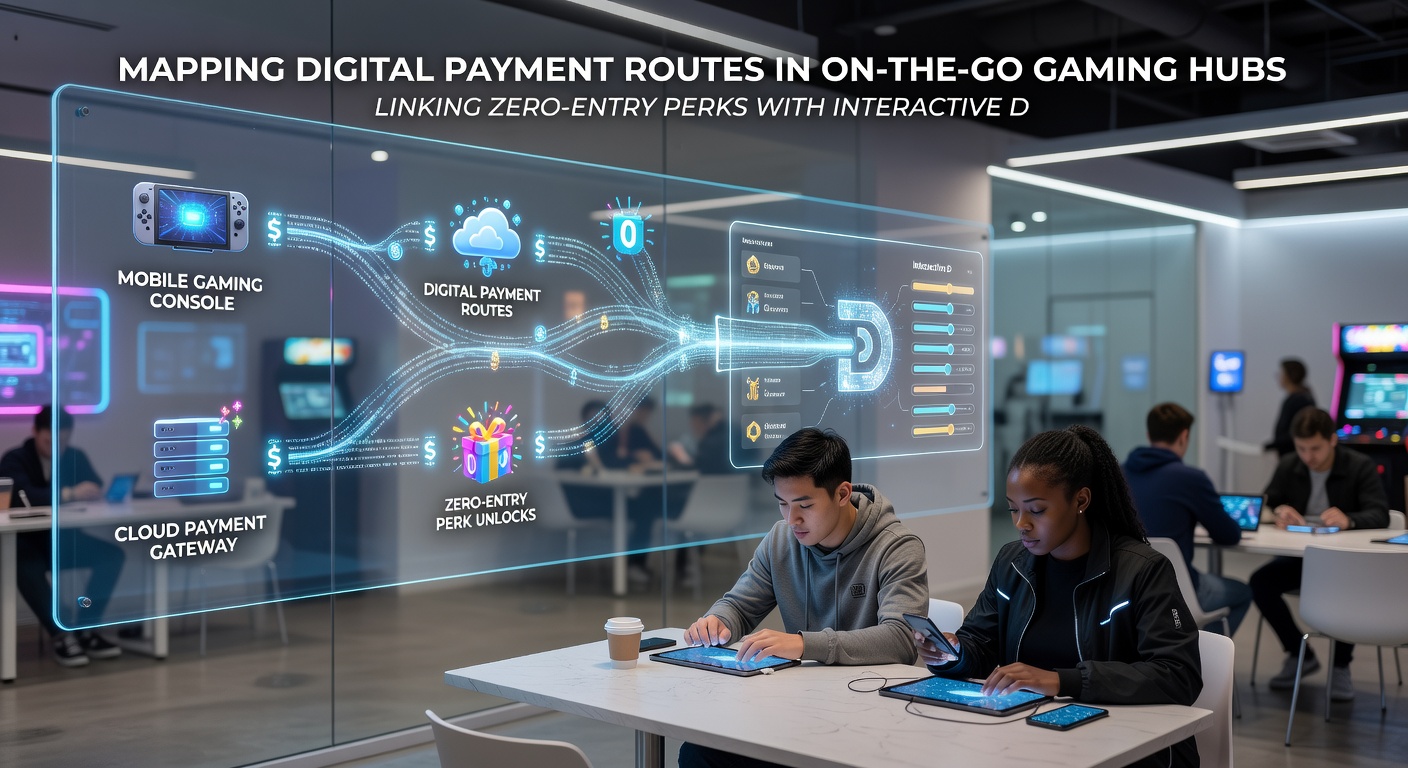
Live dealer feeds now embed payment prompts directly into the video overlay so participants can top up mid-round using stored credentials. According to figures from the European Gaming and Betting Association, transaction success rates exceed 98 percent when routes rely on pre-linked accounts rather than repeated card entries. This setup also logs every action for status advancement calculations, turning each bet into measurable progress toward higher tiers.
Status Advancement Systems Powered by Payment Data
Status advancement systems track cumulative activity across payment routes, converting deposit volume, session length, and win rates into tier points that unlock exclusive dealer tables and accelerated perk redemptions. Observers note that platforms display real-time progress bars within the same mobile hub interface, pulling data from the central payment ledger without requiring separate logins. Players advance through bronze, silver, gold, and platinum levels as the system recognizes patterns such as consistent use of specific e-wallet providers.
Case studies from platform operators reveal that linking status metrics to payment frequency encourages longer engagement periods. One operator reported a 35 percent increase in average session duration after introducing route-based loyalty multipliers that reward users who maintain verified crypto or bank connections. These systems also flag milestone achievements that trigger automatic bonus credits routed back through the original payment method for faster access.
Regulatory bodies in regions including Malta and certain Australian states require transparent reporting of how payment data feeds into advancement algorithms, ensuring players receive clear statements on point calculations. In May 2026, updates to these frameworks are expected to standardize cross-border recognition of tier status when players switch between licensed mobile hubs.
Security and Compliance in Route Mapping
Payment route mapping incorporates layered encryption and multi-factor authentication that remains consistent from zero-entry sign-up through live dealer interactions and status upgrades. Industry reports indicate that hubs employing unified route monitoring detect anomalies faster, reducing chargeback incidents by routing high-risk transactions through additional verification nodes. Those monitoring compliance data find that platforms maintaining detailed audit trails for every payment step satisfy stricter licensing conditions across multiple jurisdictions.
Tokenization keeps sensitive card information off mobile devices while still allowing seamless transitions between perk claims, dealer bets, and tier redemptions. What's significant is how these security measures operate invisibly, preserving the on-the-go experience users expect from modern gaming applications.
Conclusion
Mapping digital payment routes in on-the-go gaming hubs reveals a tightly integrated system where zero-entry perks serve as gateways to interactive dealer sessions and measurable status advancement. The infrastructure relies on secure, low-latency connections that carry transaction data across all stages while meeting regulatory standards. As platforms continue refining these pathways through 2026 and beyond, the focus remains on maintaining fluid movement from initial access to sustained engagement without compromising security or transparency.