Correlating Independent Compliance Audits with Tiered Reward Pathways Across Portable Reel and Dealer Interfaces
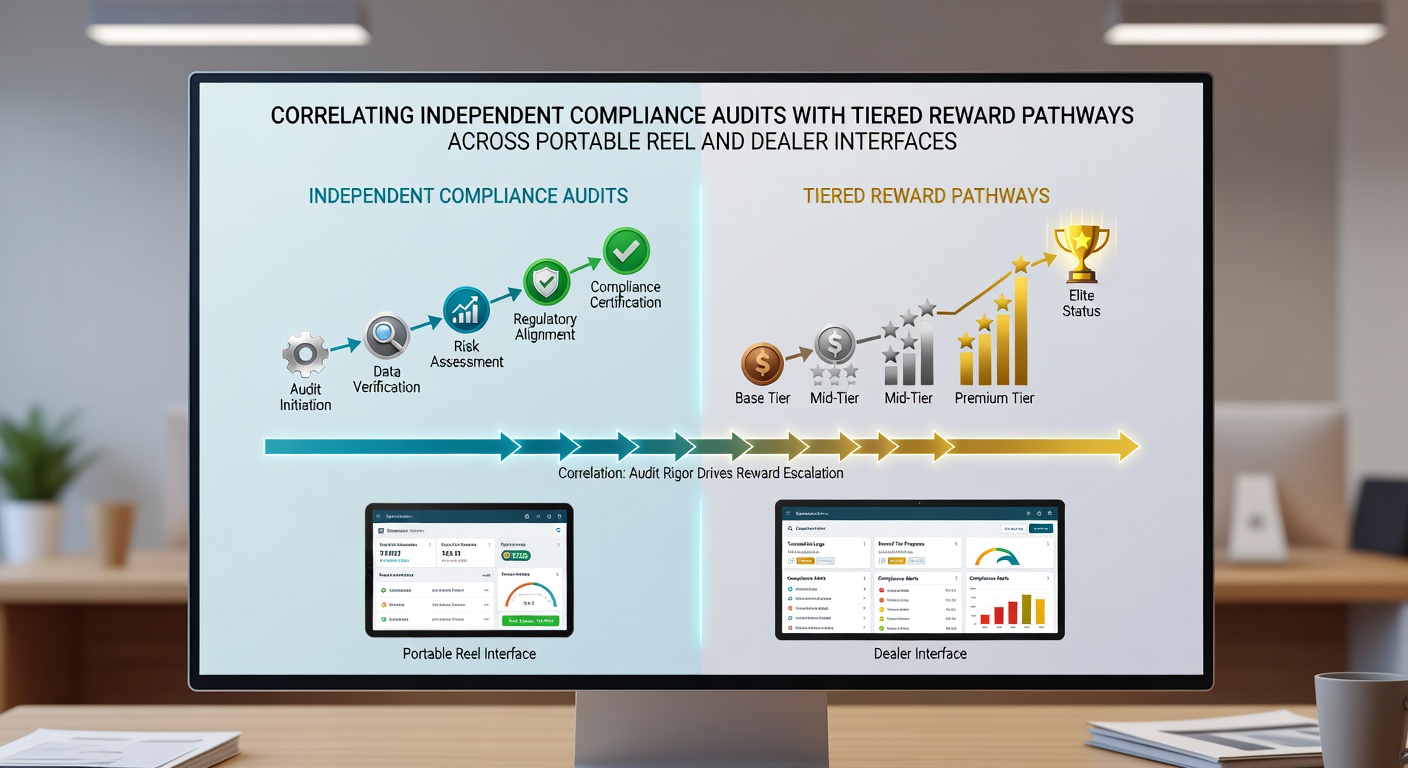
Independent compliance audits examine how operators maintain fairness standards across mobile platforms, and these evaluations often align directly with the structure of tiered reward systems that players encounter in portable reel and dealer interfaces. Data from regulatory bodies shows that audits assess random number generators, payout ratios, and transaction security while operators link verified compliance metrics to player advancement through loyalty tiers. Researchers at institutions tracking digital gambling note that when audit results confirm adherence to established protocols, reward pathways expand to include higher-value incentives such as bonus multipliers and exclusive session access.
Defining the Audit Framework in Mobile Contexts
Compliance audits conducted by third-party firms review both reel-based games and live dealer streams on handheld devices, focusing on software integrity and data protection measures. These examinations occur at scheduled intervals and cover encryption standards plus game outcome verification processes. According to reports from the New Jersey Division of Gaming Enforcement, operators must demonstrate consistent performance across portable interfaces before any reward tier adjustments receive approval. The audits identify discrepancies in reel mechanics or dealer session logging, which then influence how quickly players progress from entry-level benefits to advanced status levels.
Tiered Reward Structures and Their Technical Dependencies
Tiered pathways typically operate through points accumulated via gameplay volume and session duration, with higher tiers unlocking features like personalized dealer interactions or accelerated reel bonus triggers. Observers note that these systems rely on backend data feeds that audits scrutinize for accuracy and manipulation resistance. When compliance checks confirm reliable tracking, operators activate expanded reward options that scale with verified player activity. Studies from the University of Nevada, Reno gaming research division indicate that platforms integrating audit-verified metrics experience more stable tier progression rates, particularly in environments where mobile users switch between reel and live dealer formats.
Integration Across Reel and Dealer Formats
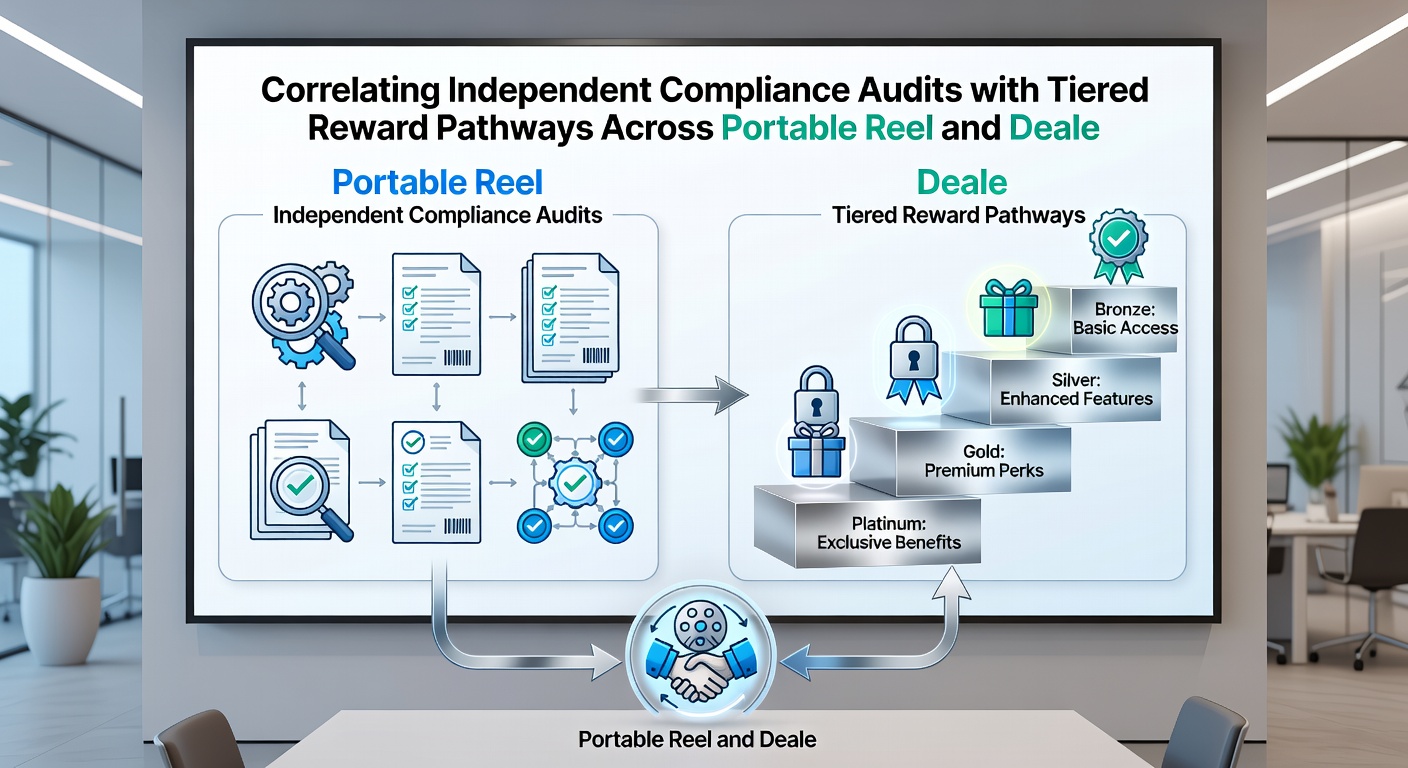
Portable reel interfaces process spins through certified algorithms that audits sample for distributional fairness, while dealer interfaces undergo separate evaluations of video feeds, card shuffling protocols, and real-time interaction logs. Correlation emerges because both formats feed into unified player accounts where tier status determines reward eligibility. Data shows that operators synchronizing audit outcomes with reward engines reduce instances of tier disputes, as players receive consistent advancement signals regardless of game type selected on mobile devices. What's interesting here involves the way audit flags on one interface type can temporarily restrict reward access across the entire platform until resolution occurs.
Regulatory Developments Anticipated for May 2026
Regulatory updates scheduled for May 2026 in several jurisdictions will require enhanced audit frequency for mobile platforms, with specific emphasis on cross-interface data consistency. These changes aim to standardize how compliance findings translate into reward pathway modifications. Industry organizations such as the European Gaming and Betting Association have published preliminary guidelines indicating that operators must document direct linkages between audit pass rates and tier benefit distributions. Those preparing for the timeline report that systems already mapping audit data to rewards show faster adaptation potential compared with fragmented setups.
Case Examples from Operational Platforms
One operator in the Canadian market adjusted its mobile reward tiers after an audit revealed minor variances in reel outcome logging, resulting in tightened progression thresholds until full remediation. Another platform handling dealer interfaces across multiple regions implemented automated tier pauses triggered by pending audit items, which maintained alignment between compliance status and player incentives. Figures from the iGaming Ontario oversight reports reveal that such correlations contribute to fewer regulatory interventions when reward systems incorporate real-time audit feedback loops.
Technical Mechanisms Enabling the Correlation
Application programming interfaces connect audit reporting tools directly to loyalty management software, allowing tier adjustments based on compliance scores rather than solely on player metrics. This architecture ensures that reward pathways reflect ongoing verification rather than static approvals. Experts tracking these integrations observe that portable formats benefit particularly because device variability introduces additional variables that audits must account for during each review cycle. And because both reel and dealer sessions contribute to the same account profile, unified audit correlation prevents tier inflation that might otherwise arise from isolated game-type performance.
Conclusion
The linkage between independent compliance audits and tiered reward pathways continues to shape how operators structure mobile gaming experiences across reel adn dealer interfaces. As regulatory expectations evolve toward the May 2026 benchmarks, platforms that maintain transparent connections between audit results and reward mechanics demonstrate measurable consistency in player progression systems. Data from multiple oversight sources confirms that this correlation supports operational stability while meeting verification requirements across jurisdictions.