Charting Intersections Between Regulatory Oversight Protocols and Layered Incentive Frameworks Across Cross-Device Gaming Platforms
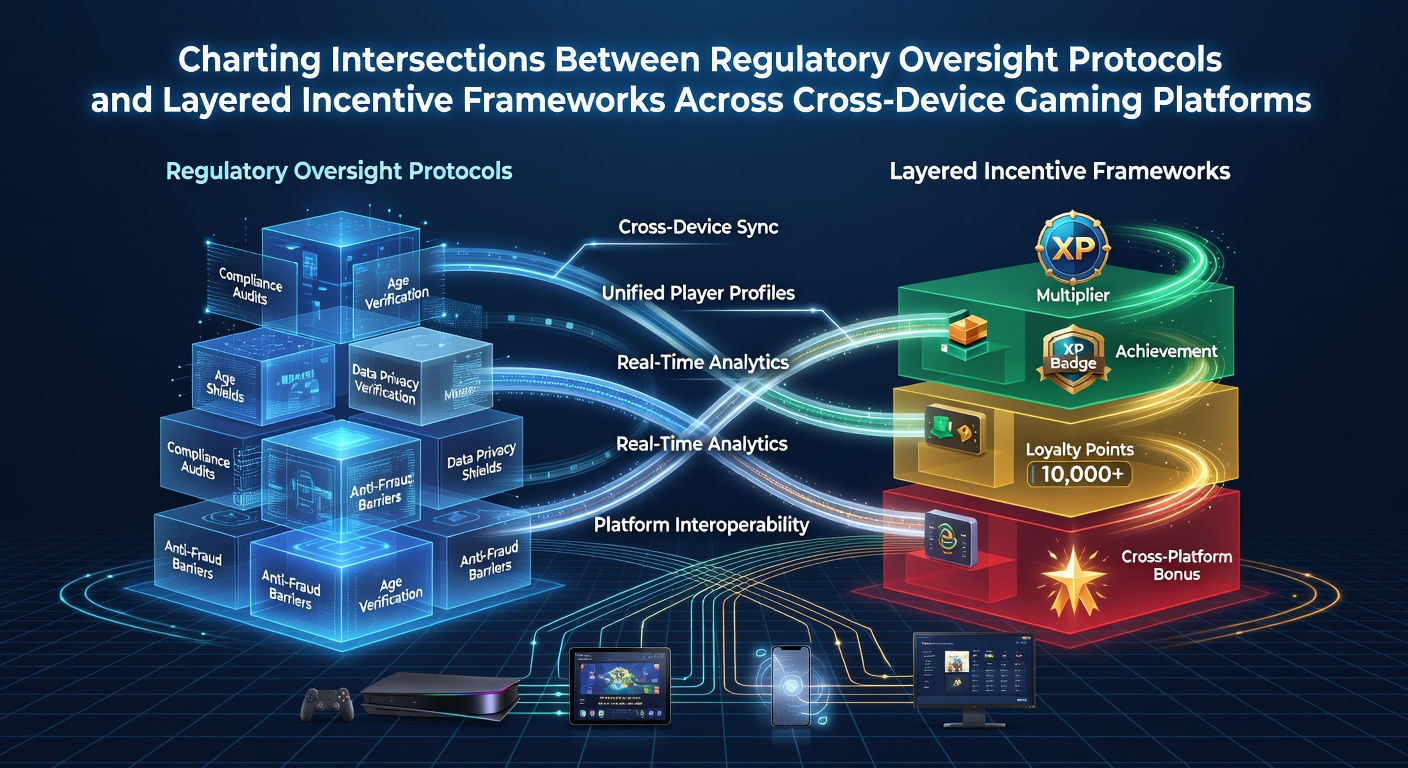
Regulatory oversight protocols establish the boundaries within which gaming operators structure layered incentive frameworks, and these boundaries shift depending on the device environment where play occurs. Cross-device platforms allow seamless transitions between desktop terminals, tablets, and smartphones, yet each regulatory jurisdiction applies distinct rules that govern how rewards, loyalty tiers, and promotional credits may be distributed. Data compiled by industry monitoring groups shows that operators must reconcile these rules while maintaining consistent user experiences across hardware types.
Core Regulatory Mechanisms in Multi-Jurisdictional Environments
Agencies in different regions impose licensing conditions that directly influence incentive design. The Nevada Gaming Control Board requires detailed reporting on bonus wagering requirements before any layered reward program receives approval, while Australian state regulators focus on disclosure standards that affect how progressive membership benefits appear on mobile interfaces. Research from academic institutions indicates that these requirements create compliance checkpoints at every stage of a player’s progression through incentive layers.
Operators track player activity through unified accounts that span devices, yet each device category triggers separate audit trails. Tablet sessions often fall under the same license as desktop play, whereas smartphone access sometimes activates additional responsible gambling filters that cap the frequency of reward notifications. Such distinctions force platform developers to embed device-specific code that aligns with local statutes.
Layered Incentive Structures and Their Technical Foundations
Layered incentive frameworks typically consist of entry-level free credits, mid-tier loyalty points, and top-tier exclusive access privileges. These layers rely on algorithmic models that calculate eligibility based on deposit volume, session duration, and game type. Cross-device synchronization demands that the same algorithm operates identically whether a player logs in from a browser or a native application, which requires robust backend architecture capable of real-time state replication.
Studies conducted by European research consortia reveal that operators allocate between 8 and 15 percent of gross gaming revenue to sustaining these layered systems. The allocation must remain transparent under most licensing regimes, prompting companies to publish periodic summaries that regulators review during renewal cycles. Device diversity adds complexity because mobile networks introduce latency variables that can affect the timing of reward credit issuance.
Where Oversight Protocols Meet Incentive Design
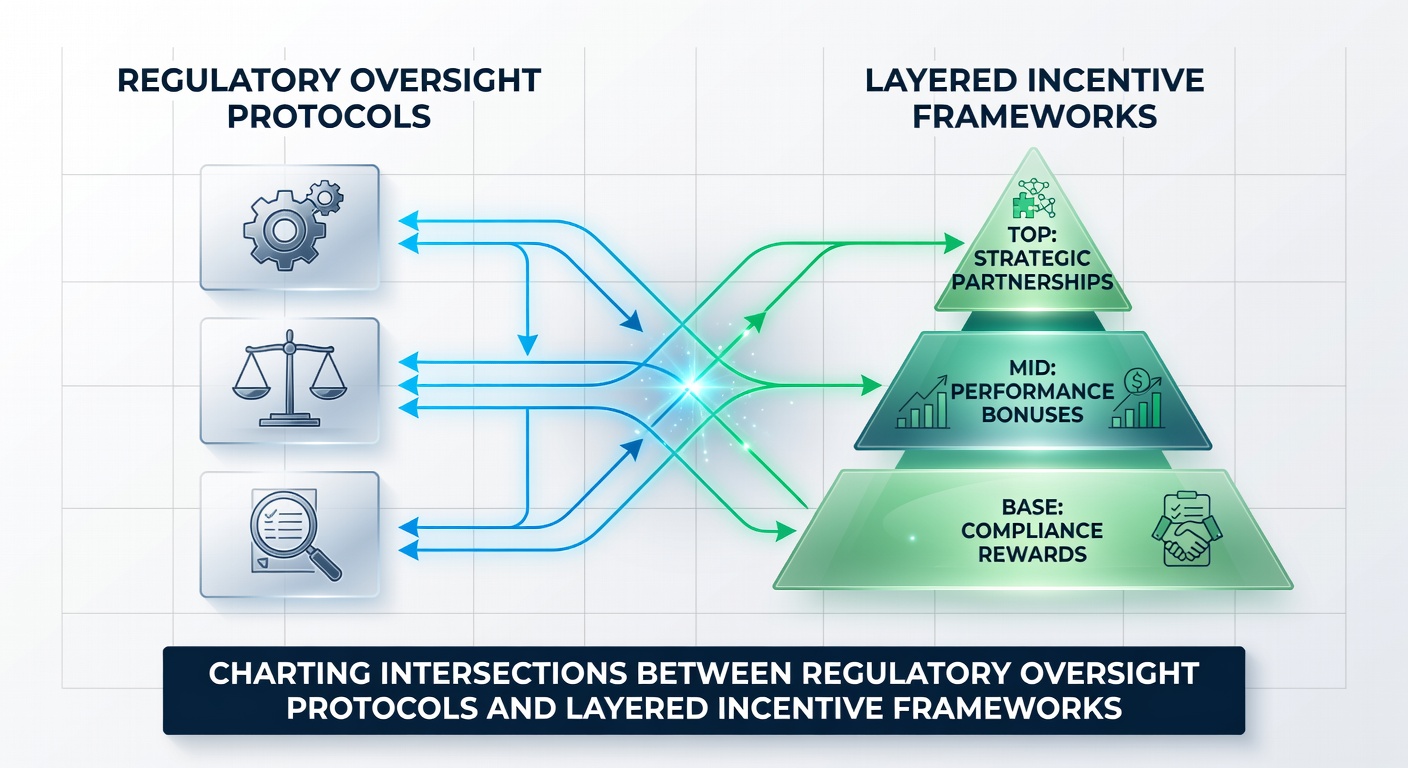
Regulatory audits increasingly examine whether incentive layers inadvertently encourage excessive play. Compliance teams map each reward tier against responsible gambling thresholds, ensuring that higher-status benefits do not bypass session-limit tools. In May 2026 several North American and Asia-Pacific regulators plan coordinated workshops to standardize these mapping procedures across device platforms.
One documented approach involves embedding regulatory flags directly into the incentive engine. When a player approaches a jurisdiction-specific spending threshold, the system automatically adjusts available rewards and surfaces mandatory cooling-off messages regardless of the device in use. This technical integration reduces manual oversight while satisfying audit requirements.
Cross-Device Challenges and Emerging Solutions
Device fingerprinting and geolocation services help operators enforce location-based rules, yet these same tools must preserve the continuity of incentive progress. A player who earns tier points on a desktop in one jurisdiction cannot automatically redeem them on a mobile device located elsewhere without triggering additional verification steps. Industry reports note that leading platforms now deploy containerized micro-services that isolate incentive logic per regulatory zone while maintaining a single user profile.
Academic analyses of transaction logs demonstrate that cross-device players generate higher average incentive redemptions than single-device users, prompting regulators to request granular breakdowns by hardware category. These requests have led some operators to develop unified dashboards that display both regulatory compliance metrics and reward distribution statistics in parallel views.
Conclusion
The intersection of regulatory oversight protocols and layered incentive frameworks continues to shape how cross-device gaming platforms operate. Technical adaptations that satisfy multiple jurisdictions simultaneously remain central to sustainable incentive delivery, and scheduled regulatory discussions in 2026 are expected to refine existing alignment practices further. Observers note that continued collaboration between compliance specialists and platform engineers will determine how these systems evolve across devices and borders.