Analyzing Intersections of Fairness Verification Standards with Collection Variety and Reward Hierarchies in Smartphone Gambling Portals
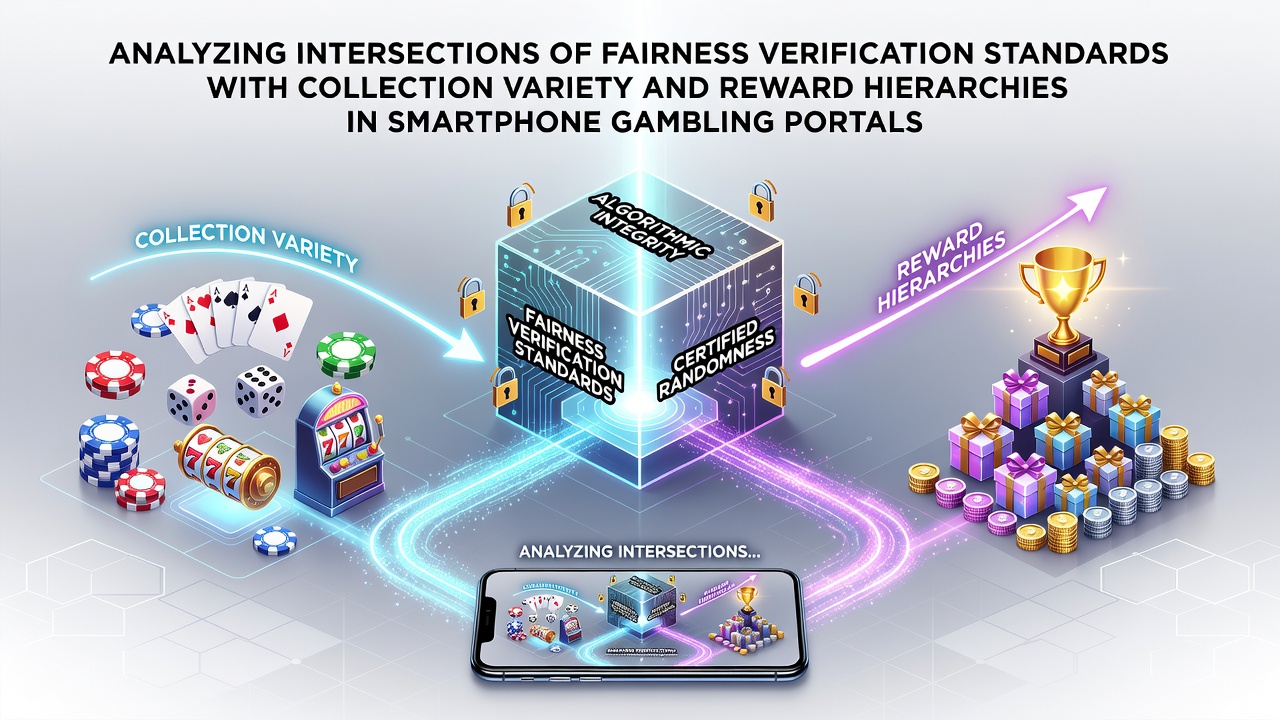
Smartphone gambling portals operate under layers of technical checks that confirm random number generator integrity while they expand game libraries and structure player progression systems. Fairness verification standards require independent testing of algorithms that determine outcomes across slots, table games, and live dealer sessions, and these same protocols shape how operators present diverse collections without compromising payout consistency. Regulatory frameworks in multiple jurisdictions tie compliance audits directly to the approval of new titles, which means game variety grows only when each addition passes certification that matches existing reward hierarchy rules.
Fairness Verification Standards in Mobile Environments
Testing laboratories evaluate software builds for statistical randomness before any title reaches a smartphone interface, and mobile-specific requirements address latency, screen scaling, and touch input accuracy that affect play sessions. Reports issued in early 2026 highlight how portable platforms now undergo additional battery usage and network stability assessments that link directly to fairness outcomes. Observers note that these expanded checks create consistent benchmarks across devices while they allow operators to introduce new mechanics such as progressive multipliers or clustered reels without altering certified return-to-player percentages.
Data from the New Jersey Division of Gaming Enforcement shows mobile titles accounted for over 65 percent of audited submissions in 2025, with most failures traced to display rendering issues rather than core randomness flaws. New Jersey Division of Gaming Enforcement records further indicate that once a game clears verification, operators may integrate it into tiered reward structures that scale bonus eligibility based on verified payout history.
Collection Variety and Its Connection to Certified Systems
Game libraries on smartphone portals range from classic three-reel formats to complex live dealer environments, yet each addition must align with the same fairness protocols that govern older titles. Operators therefore map new releases against existing certified RNG modules, which limits the speed of expansion but maintains uniform standards across the catalog. Research conducted by the University of Nevada, Las Vegas Center for Gaming Research demonstrates that collections exceeding 800 mobile titles typically maintain higher compliance rates when they reuse verified core engines rather than deploying entirely new codebases.
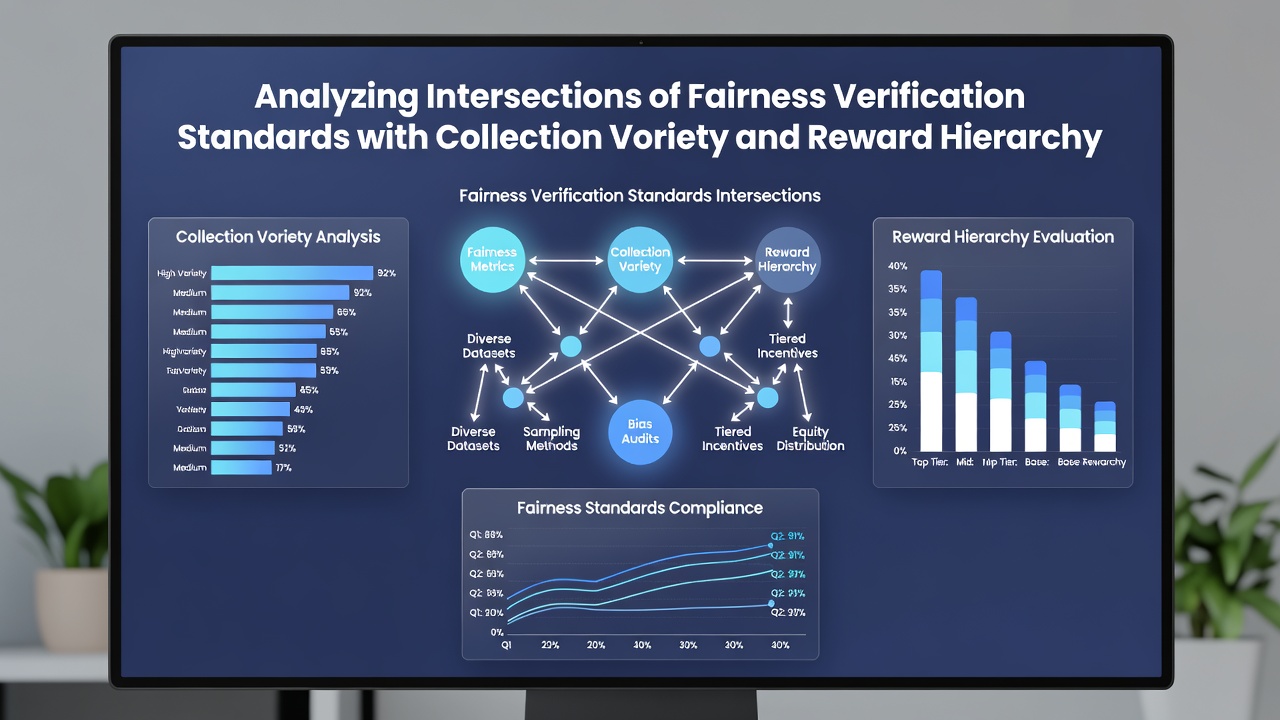
June 2026 brought updated technical guidelines from several North American regulators that require real-time monitoring of game performance after launch. These guidelines link collection variety directly to ongoing fairness reporting, so operators must submit monthly variance data for every active title. Collections that feature frequent updates therefore carry heavier administrative loads, which influences how reward hierarchies assign points or status levels to players who engage with newer versus established games.
Reward Hierarchies Shaped by Verification Requirements
Tiered membership programs calculate player status through tracked activity that occurs only on certified games, creating a direct intersection between fairness standards and loyalty mechanics. Points accumulate based on wager volume within verified titles, and higher tiers unlock benefits such as faster withdrawal processing or exclusive event access that remain unavailable until the underlying games pass repeated audits. Industry data reveals that portals maintaining strict verification schedules experience fewer disputes over reward calculations because each contributing game carries documented payout verification.
Analysts at the Australian Institute of Criminology have tracked how reward structures adjust when new game categories enter certified collections. Their findings show that live dealer additions often accelerate tier advancement for high-volume players because session lengths and betting ranges differ from automated slots, yet fairness checks ensure the underlying outcome generation stays equivalent. Portals therefore calibrate point multipliers across categories to preserve equity while they expand offerings.
Integrated Effects Across Platforms
Smartphone interfaces combine the three elements through unified dashboards that display certification badges alongside game categories and personal reward progress. Users encounter visual indicators that confirm fairness status for every title, and these markers influence which games contribute most efficiently to loyalty milestones. Operators that synchronize verification timelines with collection releases and tier updates report steadier player retention patterns because participants understand the shared compliance foundation.
Cross-device synchronization further ties these components together because reward balances and game access remain consistent whether a player switches between smartphone and tablet sessions. Regulatory updates scheduled for late June 2026 emphasize standardized data formats that allow auditors to review fairness metrics, collection changes, and reward distributions in single reports, reducing administrative overlap for multi-jurisdiction operators.
Conclusion
The intersections among fairness verification standards, collection variety, and reward hierarchies produce operational frameworks that mobile gambling portals must navigate continuously. Certified randomness underpins every game addition while simultaneously informing how loyalty systems assign value to player activity. As regulatory bodies refine monitoring requirements and testing laboratories expand their scope, these interconnected elements will continue to determine both the breadth of available titles and the structure of progression incentives across smartphone platforms.